 SleepBit
Snoring Rarely Has Just One Cause
Work through four clues that can narrow the airway at night.

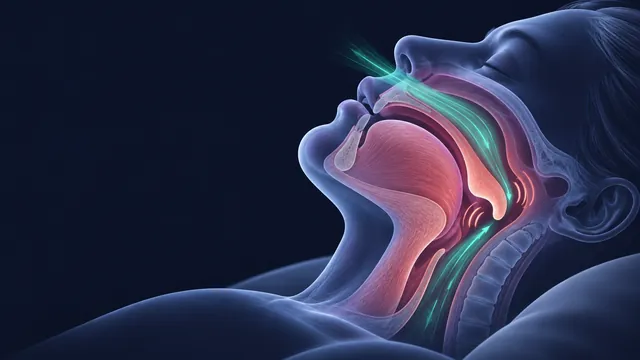
The same person may be quiet one night and loud the next. Snoring begins when air moves through a narrowed upper airway and makes nearby tissue vibrate. Anatomy matters, but position, nasal blockage, alcohol and weight changes can also change how narrow the airway becomes.
1. Start with your baseline
Jaw and tongue position, tonsil size and the shape of the soft palate can create a natural tendency to snore. Extra tissue around the neck may also narrow the airway. Sound alone, however, cannot identify the exact cause.
2. Look for what changed that day
- Did you sleep on your back?
- Was your nose blocked by a cold or allergies?
- Did you drink alcohol near bedtime?
- Were you unusually sleep-deprived?
Change one factor at a time. If several habits change together, it is hard to know which one mattered.
3. Follow patterns, not one score
Keep the phone position and bedroom setup similar and collect one to two weeks of recordings. Notes such as ‘alcohol’, ‘blocked nose’ or ‘side sleeping’ make the trend more useful.
4. Add symptoms that sound cannot show
Witnessed breathing pauses, waking with a gasp, severe daytime sleepiness or morning headaches deserve medical attention. They may signal that an evaluation for sleep apnea is needed.
SleepBit helps you observe change. Identifying a cause or making a diagnosis requires a clinician and, when indicated, a sleep study.