 SleepBit
Why Snoring Changes After Alcohol
Falling asleep faster does not mean the airway or sleep quality improved.
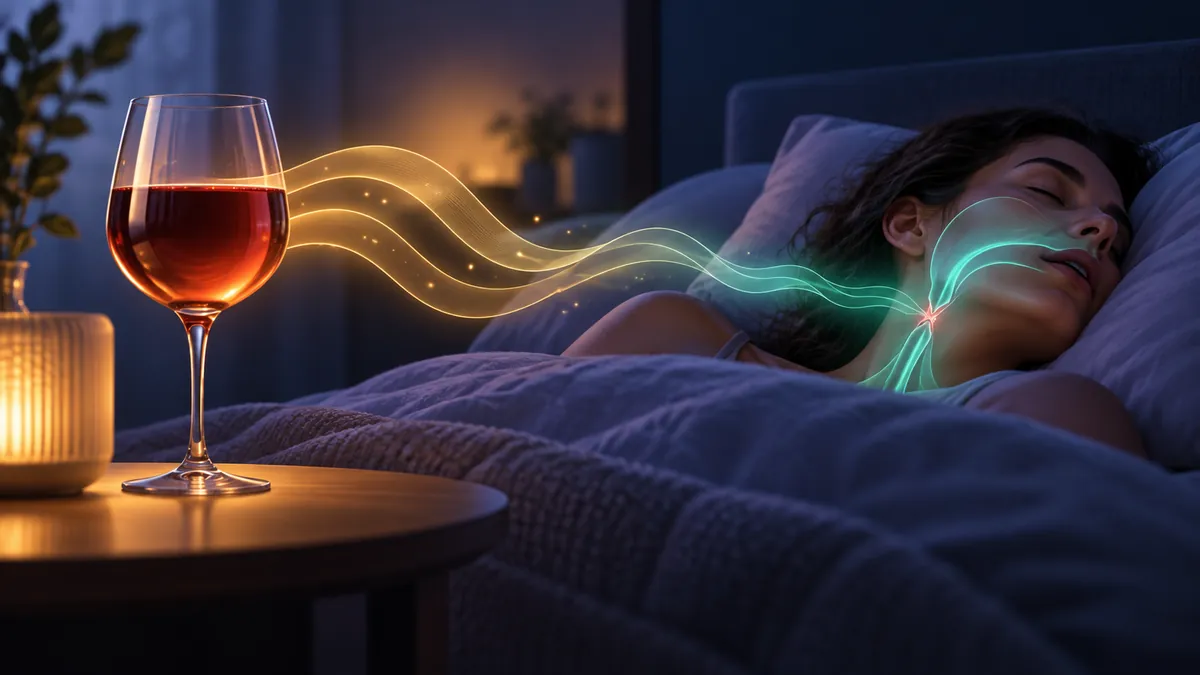
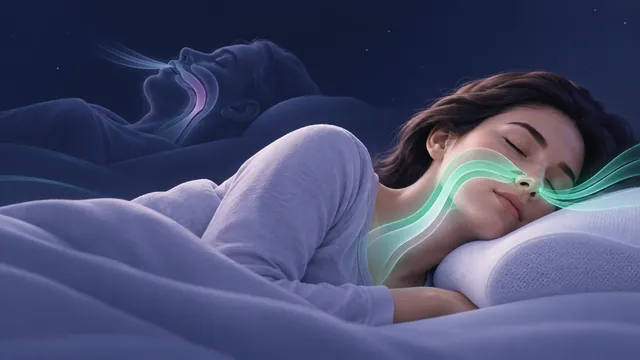
Alcohol may shorten the time it takes to fall asleep while making snoring and sleep-related breathing worse. Meta-analyses found more breathing events and lower overnight oxygen measures, especially in people already prone to snoring or sleep apnea.
The airway loses more support
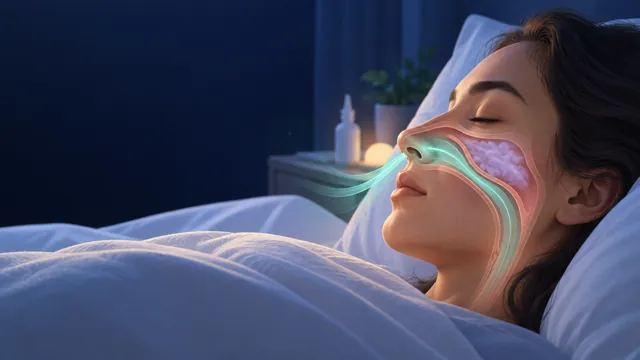
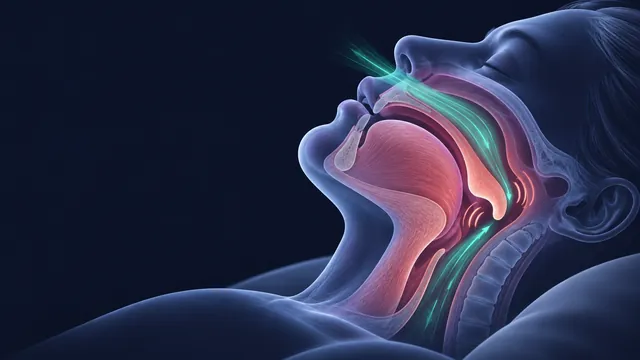
Upper-airway muscles naturally relax during sleep. Alcohol can lower that tone further, allowing the tongue and surrounding tissue to narrow the passage. Faster air through a smaller space can create louder vibration.
Feeling sedated is not the same as restorative sleep
Alcohol can make the first part of the night feel easy, then fragment sleep later and alter normal sleep structure. That can leave you unrefreshed despite enough time in bed.
Check the pattern in your own record
- Mark alcohol and alcohol-free nights separately.
- Note the amount and time of the last drink.
- Keep phone placement and bedroom noise similar.
- Compare several nights rather than a single result.
This is not a test for finding a ‘safe’ personal dose. Witnessed pauses or gasping call for medical evaluation, not repeated alcohol experiments.
A practical next step
If snoring is a concern, avoid drinking close to bedtime and compare with alcohol-free nights. Sleep medicines and sedatives can also affect breathing; do not stop or combine prescribed drugs without speaking to the prescriber.
Repeated breathing pauses after drinking may be more than a drinking-night habit.